What a Glyph Is Actually Worth: Following the Money Inside Independent Type Design
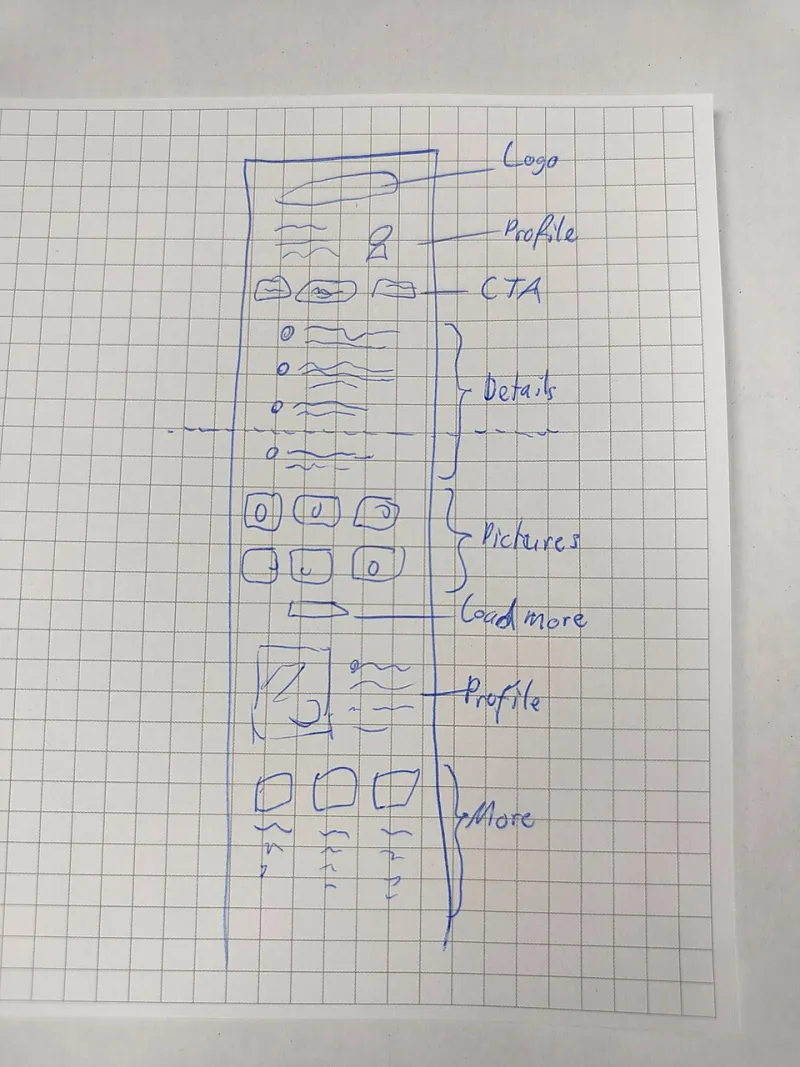
Photo: Jfietkau, CC0, via Wikimedia Commons
Ask a type designer what a single glyph is worth and you'll get a laugh, a sigh, or a long pause. The honest answer: somewhere between nothing and a few hundred dollars, depending on which of four or five revenue buckets it lands in.
Independent type design has quietly become one of the most interesting corners of the creator economy. It's also one of the least understood. So we talked to designers at three different career stages to map where the money actually comes from — and where it doesn't.
The Marketplace Grind: Volume Over Glory
For most designers starting out, the money begins on marketplaces — Creative Market, MyFonts, Fontspring, and their siblings. You upload a typeface, the platform takes a cut (typically 30–50%), and you wait.
A first-year designer we'll call Maya (she asked to use a pseudonym because she still has a day job) released her first retail typeface eighteen months ago. "It made about $900 in year one," she says. "Which sounds terrible until you realize I priced it at $25 and it sold to 36 people who will hopefully buy everything I make next."
That's the marketplace math in a nutshell: individual sales are small, but they compound. A designer with ten typefaces earns a portfolio income, not a product income. The designers who make real marketplace money treat each release as an asset that keeps selling — which is why so many push out two to four families a year while also doing client work.
Custom Commissions: The Reliable Paycheck
If marketplaces are the long game, commissions are the mortgage payment. A custom typeface for a brand — think a company wanting its own wordmark-adjacent family — typically runs anywhere from $5,000 for a small logo-adjacent job to well into six figures for a full corporate family with multiple weights and scripts.
Devon, a type designer eight years into his practice, describes the split plainly: "Client work pays this quarter's bills. Retail fonts pay next year's. You need both or the model collapses."
The commission route also builds leverage. Every custom design negotiated with an exclusive license is a design that can later be reworked and sold retail. Smart designers write that possibility into their contracts from day one.
Licensing and Extensions: The Part Nobody Prices Well
Here's where independent designers leave money on the table. A desktop license and a webfont license are different products — and increasingly, app and broadcast licenses matter too. Designers who bundle everything into one cheap price are effectively donating the upsell.
"Early on, I sold a font for $30 with everything included," Devon admits. "A game studio would've paid $500 for that same app license. I learned pricing by underpricing for about three years."
The 2025 shift: more independent foundries are moving to tiered licensing with clear use-case categories, and self-hosted shops with platforms like Lemon Squeezy or Gumroad let them keep 90%+ instead of a marketplace's cut. Lower volume, better margin, direct customer relationships — the classic creator-economy trade.
Patronage and the Audience Flywheel
The newest stream is also the most personal. Patreon-style support, font-in-use galleries, process videos, and even type design courses have become genuine income lines. A designer with 400 patrons at $5 a month has $24,000 a year of predictable revenue before selling a single license — enough to fund the speculative typefaces that marketplaces reward.
Maya's take: "The patrons aren't really buying fonts. They're buying access to watching a typeface get made. That's a totally different product, and honestly, it's the one I enjoy building most."
So What Is a Glyph Worth?
Run the numbers across the whole model and a rough picture emerges. A retail family with 600 glyphs selling 100 copies a year at $40 generates roughly $4 per glyph per year, before the platform's cut. The same glyph inside a $60,000 commission might be worth $100 once. And a glyph in a free font that builds an audience? Its value is entirely downstream.
The type designers thriving in 2025 aren't the ones with the prettiest letterforms. They're the ones treating a foundry like what it is: a small creative business with four revenue engines — marketplace volume, commissions, smart licensing, and an audience that pays attention. The glyphs are the product. The business model is the craft.